
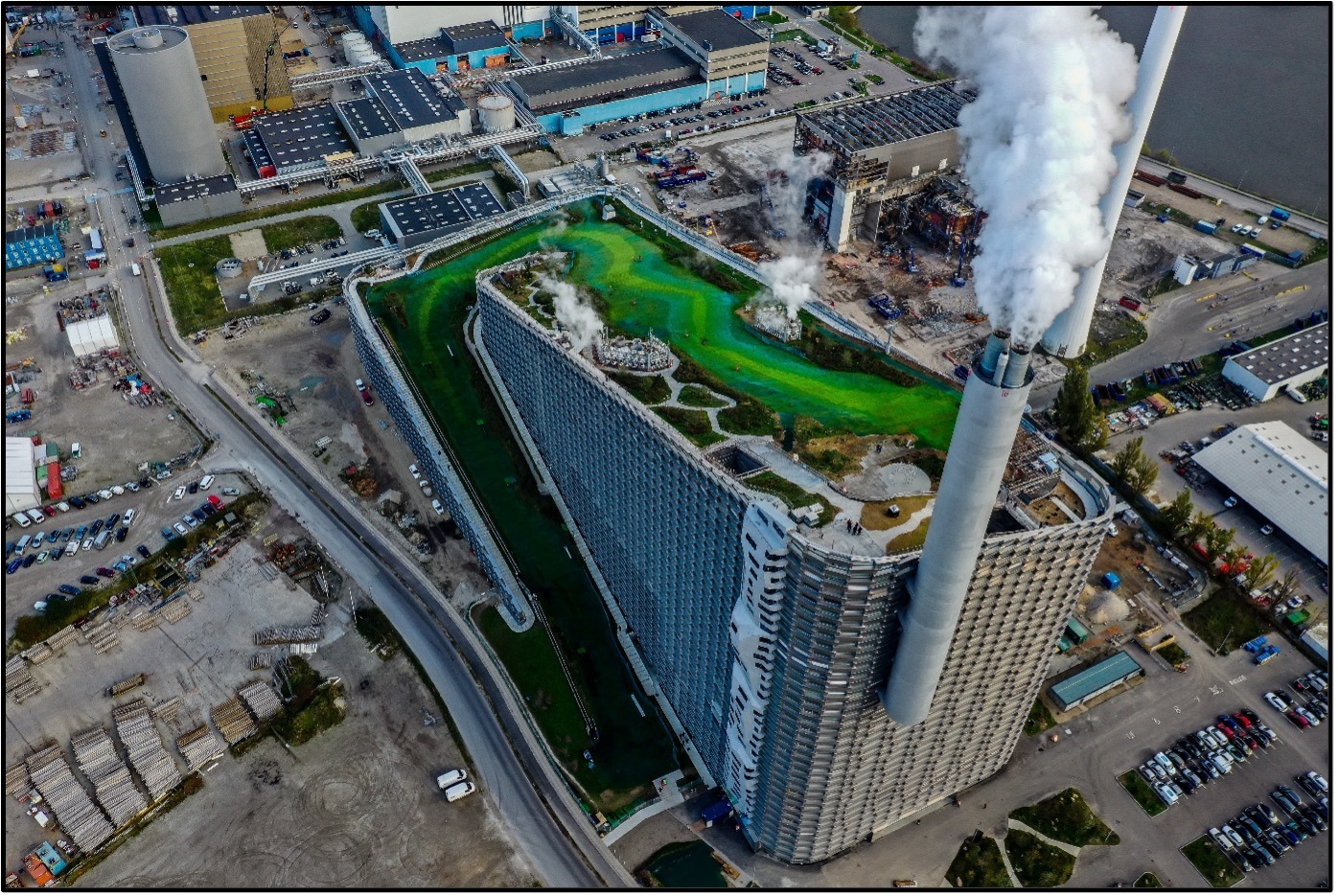
Figure 1: Image credit: CopenHill (official press/media image).
A recurring challenge for energy-from-waste infrastructure globally has been the intersection of public perception, social licence, and infrastructure identity.
Too often, these assets are viewed simply as waste facilities rather than critical components of integrated environmental infrastructure.
Queensland’s proposed A$1.3 billion energy-from-waste project presents an opportunity to challenge that narrative.
One of the strongest global benchmarks is CopenHill (Amager Bakke) in Copenhagen.
CopenHill is not merely a waste-to-energy facility.
It is an example of how environmental infrastructure can be technically sophisticated, publicly accepted, and intentionally integrated into urban life.
Beyond converting residual waste into energy, the facility incorporates: a public ski slope; a hiking trail; a climbing wall; a rooftop ecosystem supporting biodiversity.
Rather than being hidden from the public, it was designed as part of the city experience.
That is strategic infrastructure thinking.
For infrastructure leaders, the lesson is clear: major environmental assets succeed not only on engineering merit, but also on governance credibility, stakeholder confidence, and social licence.
Well-executed energy-from-waste infrastructure can deliver significant strategic benefits: landfill diversion; methane emissions reduction; energy recovery from residual waste; improved waste system resilience; reduced land-use pressure; support for circular economy outcomes.
Of course, energy-from-waste is not a replacement for waste avoidance, reuse, or recycling.
But where significant residual waste remains, it can be an important part of an integrated infrastructure solution.
Australian Context: The Next Generation of Waste Infrastructure
Australia is entering a period of significant transition in waste and resource recovery infrastructure.
Historically, landfill disposal has been the dominant waste management solution across much of the country. However, increasing landfill levies, growing community expectations, resource recovery targets, emissions reduction commitments, and pressure on available landfill capacity are driving renewed interest in alternative infrastructure solutions.
Queensland's proposed A$1.3 billion energy-from-waste facility is one example of this shift. Similar conversations are occurring across multiple jurisdictions as governments, industry, and infrastructure providers consider how best to manage residual waste streams while supporting broader environmental and economic objectives.
The challenge is not simply technical.
Many proposed waste infrastructure projects encounter resistance because communities often perceive them primarily as waste facilities rather than essential environmental infrastructure.
This highlights a critical lesson from international examples such as CopenHill:
Infrastructure success depends not only on engineering performance, but also on governance, transparency, stakeholder engagement, and public confidence.
Implications for Local Government
For local governments, the implications are significant.
Councils are increasingly required to manage growing waste volumes, ageing infrastructure, rising community expectations, and tightening regulatory requirements, often within constrained budgets.
Future waste infrastructure planning will require a broader strategic perspective that considers:
- Long-term asset performance
- Whole-of-life cost optimisation
- Resource recovery opportunities
- Climate and emissions considerations
- Community expectations and social licence
- Regional collaboration opportunities
Waste infrastructure should no longer be viewed solely as an operational necessity. It should be considered part of the broader infrastructure network that supports environmental protection, public health, economic development, and community resilience.
Funding the Next Generation of Waste Infrastructure
One of the greatest barriers to transformational waste infrastructure remains capital investment.
Major environmental infrastructure projects require substantial upfront funding, long planning horizons, and strong stakeholder alignment.
This creates an important role for government leadership, private sector participation, public-private partnerships, and innovative funding models.
The most successful projects are often those that clearly demonstrate multiple benefits beyond waste management alone, including:
- Reduced landfill dependency
- Improved resource recovery outcomes
- Renewable energy generation
- Emissions reduction
- Economic development opportunities
- Enhanced infrastructure resilience
When these broader benefits are recognised, waste infrastructure becomes easier to justify as a strategic investment rather than simply an operational cost.
Looking Forward
The future of waste infrastructure is unlikely to be defined by a single technology or solution.
Instead, it will be shaped by integrated systems that combine waste avoidance, recycling, resource recovery, organics processing, energy recovery, and strategic landfill management.
The key question for infrastructure leaders is no longer whether waste infrastructure is important.
The question is whether we are designing infrastructure systems capable of meeting the environmental, economic, and community expectations of future generations.
Perhaps the most important strategic question is:
Are we still designing waste infrastructure as hidden operational utilities, or as trusted, future-focused environmental assets?
#Infrastructure #EnergyFromWaste #WasteManagement #EnvironmentalEngineering #CircularEconomy#InfrastructureStrategy #EnvironmentalGovernance #Sustainability
For those interested, this article on Queensland’s proposed A$1.3 billion energy-from-waste project provides useful project context: https://wastemanagementreview.com.au/qlds-proposed-1-3b-waste-to-energy-site-garners-interest/
About the Author
Dr Hope Iyamu is a Civil & Environmental Engineer, infrastructure and environmental leader, educator, and reflective author with more than two decades of experience across local government, major infrastructure, environmental governance, and strategic advisory. He writes on infrastructure, environmental governance, engineering leadership, regulatory compliance, and responsible development.
LinkedIn: www.linkedin.com/in/hope-iyamu